

Introduction
Work trucks are essential vehicles for many industries, providing the means to transport equipment, tools, and materials to job sites efficiently. As such, it is crucial to ensure that work trucks are properly maintained to maximize their lifespan, reliability, and performance. In this comprehensive guide, we will cover all aspects of work truck maintenance, from routine checks to preventive measures and troubleshooting common issues.
Chapter 1: Importance of Work Truck Maintenance
Proper maintenance of work trucks is essential for several reasons. Regular maintenance helps prevent breakdowns and costly repairs, ensuring that the vehicle stays in good working condition. It also contributes to the safety of the driver, passengers, and other road users. By following a proactive maintenance schedule, you can extend the life of your work truck and optimize its performance.
Chapter 2: Routine Maintenance Checks
Routine maintenance checks are the foundation of work truck maintenance. These checks should be performed regularly to identify any potential issues before they escalate into major problems. Key areas to focus on during routine maintenance checks include:
1. Engine oil and filter
2. https://www.worktruckmaker.com/2423/ . Brake system
4. Tire pressure and tread
5. Battery and electrical system
6. Fluid levels (coolant, power steering, windshield washer)
7. Lights and signals
8. Belts and hoses
By staying on top of these routine maintenance checks, you can ensure that your work truck operates smoothly and efficiently.
Chapter 3: Preventive Maintenance Measures
In addition to routine checks, preventive maintenance measures are crucial for prolonging the life of your work truck. These measures involve proactive steps to address potential issues and keep the vehicle in optimal condition. Some preventive maintenance measures include:
1. Regularly scheduled maintenance services
2. Inspecting and replacing air filters
3. Checking and replacing spark plugs
4. Monitoring fuel efficiency
5. Lubricating moving parts
6. Inspecting and replacing worn-out components
By incorporating preventive maintenance measures into your maintenance routine, you can minimize the risk of unexpected breakdowns and costly repairs.
Chapter 4: Troubleshooting Common Issues
Despite regular maintenance, work trucks may still experience common issues that require troubleshooting. Some of the most common problems that work truck owners may encounter include:
1. Engine overheating
2. Brake issues
3. Electrical problems
4. Transmission issues
5. Suspension and steering problems
6. Fuel system issues
By familiarizing yourself with these common issues and their potential causes, you can take prompt action to address them and prevent further damage to your work truck.
Chapter 5: Work Truck Inspection Checklist
To streamline the maintenance process and ensure thorough inspections, it is helpful to create a work truck inspection checklist. This checklist can include all the essential components and systems that need to be checked during routine maintenance checks. A sample work truck inspection checklist may include:
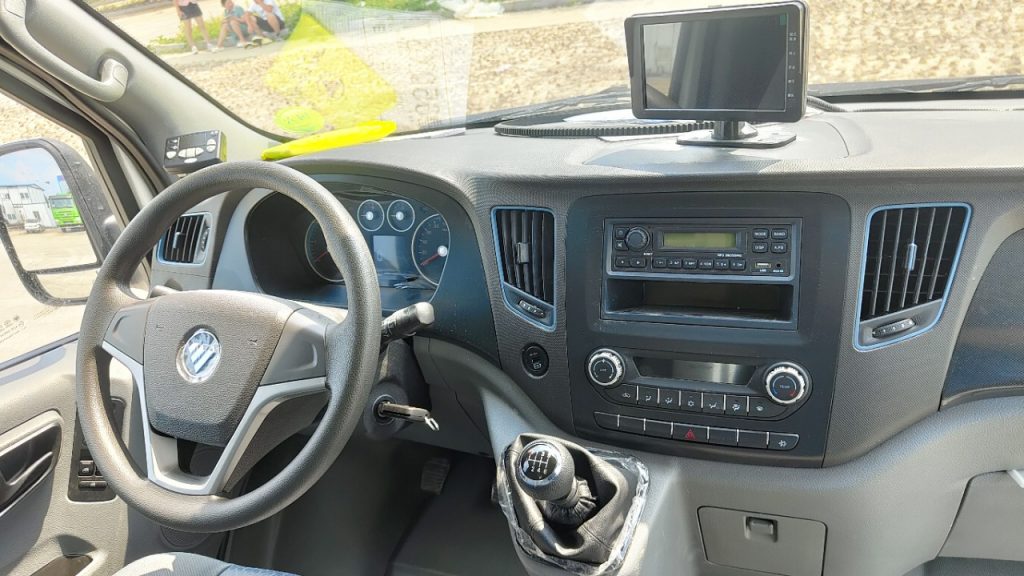
1. Engine oil and filter
2. Transmission fluid
3. Brake system
4. Tire pressure and tread
5. Battery and electrical system
6. Fluid levels (coolant, power steering, windshield washer)
7. Lights and signals
8. Belts and hoses
9. Air filters
10. Spark plugs
11. Fuel efficiency
12. Lubrication points
13. Worn-out components
By following a comprehensive inspection checklist, you can ensure that no critical areas are overlooked during maintenance checks.
Chapter 6: Best Practices for Work Truck Maintenance
To optimize work truck maintenance, it is essential to follow best practices that promote efficiency and effectiveness. Some best practices for work truck maintenance include:
1. Establishing a regular maintenance schedule
2. Keeping detailed maintenance records
3. Using high-quality replacement parts and fluids
4. Cleaning and protecting the exterior and interior of the work truck
5. Addressing issues promptly to prevent further damage
6. Training drivers and operators on proper vehicle maintenance practices
By incorporating these best practices into your maintenance routine, you can enhance the longevity and performance of your work truck.
Conclusion
Maintaining your work truck is a fundamental aspect of ensuring its longevity, reliability, and performance. By following a proactive maintenance schedule, performing routine checks, implementing preventive measures, and troubleshooting common issues, you can keep your work truck in top condition. Additionally, creating a work truck inspection checklist and following best practices for maintenance will help streamline the maintenance process and maximize the efficiency of your maintenance efforts. Remember, a well-maintained work truck is key to a successful and productive operation in any industry.